
Gas Giants
The Universe's Most Intense Worlds
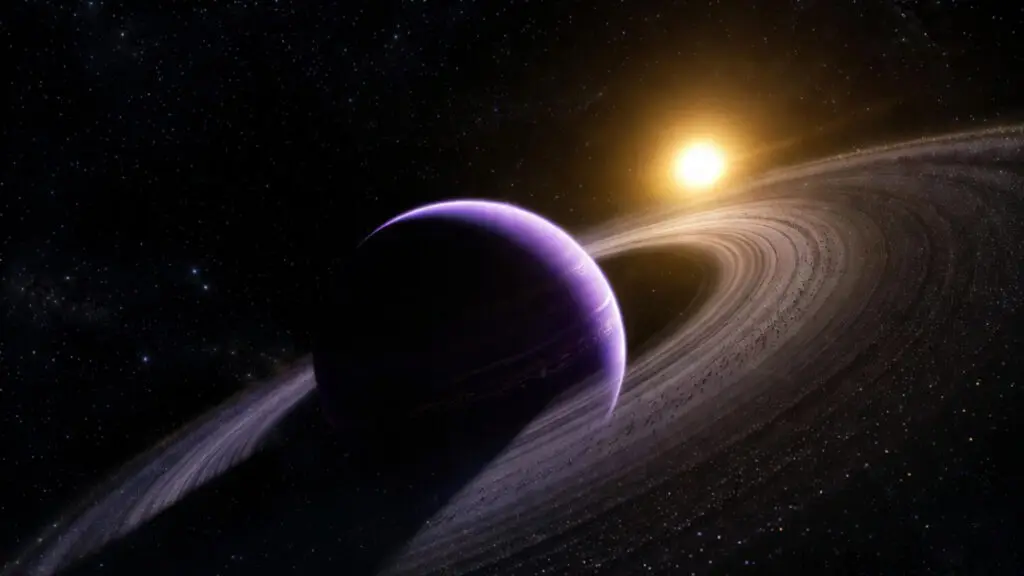
Gas giants are massive worlds made mostly of hydrogen and helium, like Jupiter and Saturn in our Solar System. But the ones orbiting other stars can be wildly different—some scorch close to their stars, others drift alone in the void. These extreme planets teach us how massive worlds form, migrate, and survive (or get destroyed) in alien systems.
From puffy balloons inflated by heat to rogue worlds with no sun, they’re the most dramatic exoplanets we’ve found so far.
- Much larger than Earth—10–20× Earth radius common
- Extreme temperatures: some hotter than lava, others frozen
- Wild weather: winds up to 5,000 mph, glass rain, iron clouds
- Many are “puffy” from heat—lower density than cork
- Some are rogue planets—wandering without a star
- First exoplanets ever discovered were Hot Jupiters
Gas Giant Codex
Size:
16.8 × Earth
Distance from Earth:
80 light-years
Habitable Zone:
No
Star Type:
None
Fun Fact:
This lonely rogue planet drifts alone through space, glowing from its own internal heat like a wandering ember!
Size:
20.2 × Earth
Distance from Earth:
1430 light-years
Habitable Zone:
No
Star Type:
G-type
Fun Fact:
This puffy gas giant is so light and fluffy, it could float in a giant bathtub!
Size:
11.2 × Earth
Distance from Earth:
410 light-years
Habitable Zone:
No
Star Type:
F-type
Fun Fact:
This hot Jupiter orbits so close to its star that it might spiral inward to its doom someday!
Size:
20.2 × Earth
Distance from Earth:
1400 light-years
Habitable Zone:
No
Star Type:
G-type
Fun Fact:
Shaped like an egg from its star’s pull, this planet’s atmosphere is boiling away into space!
Size:
15.6 × Earth
Distance from Earth:
157 light-years
Habitable Zone:
No
Star Type:
G-type
Fun Fact:
Known as “Osiris,” this hot Jupiter was the first exoplanet with a detected evaporating atmosphere trailing like a comet!
Size:
12.7 × Earth
Distance from Earth:
65 light-years
Habitable Zone:
No
Star Type:
K-type
Fun Fact:
This deep-blue hot Jupiter rains molten glass sideways in howling 5,400 mph winds!