
Our Planet Hunters
The Telescopes That Find Alien Worlds
Planet hunters are the incredible telescopes and space missions that search for exoplanets—planets orbiting stars beyond our Sun. From staring at thousands of stars for tiny light dips to studying alien atmospheres with infrared eyes, these hunters have discovered over 5,700 worlds and completely changed how we see the universe.
Each one uses different super-smart techniques: watching stars wobble, catching planets passing in front, or even sniffing for gases that might mean life. Together, they’ve shown us everything from scorching Hot Jupiters to rocky worlds that could have oceans. Future hunters will get even better at finding signs of alien life.
Thanks to these machines (and the brilliant scientists behind them), we know planets are common—and some might not be so different from home.
- Use powerful methods like transit (light dips) and radial velocity (star wobbles)
- Watch thousands of stars at once to spot hidden planets
- Can study atmospheres for water vapor, oxygen, or life signs
- Discover new worlds every year—including Earth-sized hopefuls
- Help answer the big question: Are we alone in the universe?
Meet the Planet Hunters
Transiting Exoplanet Survey Satellite (TESS)
TESS is the current all-sky planet hunter, launched in 2018. Unlike Kepler's focused stare, it scans almost the whole sky for bright, nearby stars with transiting planets. It's finding thousands of candidates (including Earth-sized ones) and setting up targets for James Webb to study atmospheres. The search continues!
James Webb Space Telescope (JWST)
JWST is the most powerful telescope ever built, launched in 2021. Its giant gold mirror and infrared eyes let it peer through dust clouds and study exoplanet atmospheres for signs of water, methane, or even life. It's already revealing scorching Hot Jupiters and rocky worlds—changing everything we know about alien planets.
Kepler Space Telescope
Kepler was NASA's planet-hunting superstar from 2009 to 2018. It stared at one patch of sky, watching over 150,000 stars for tiny light dips when planets passed in front. It discovered more than 2,600 exoplanets—including the first Earth-sized worlds in habitable zones—and proved planets are super common in our galaxy!
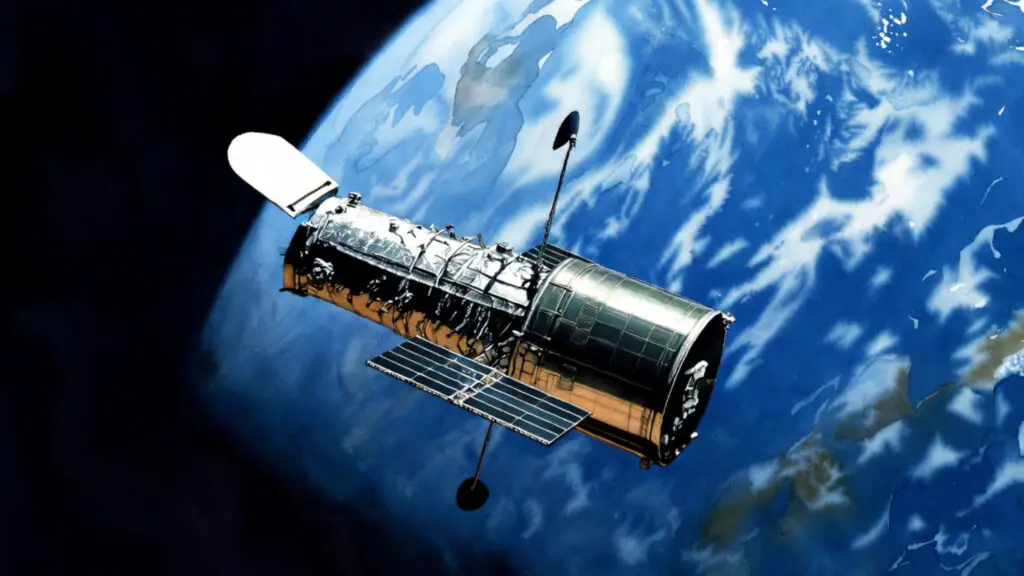
Hubble Space Telescope
Hubble, orbiting since 1990, was one of the first to study exoplanet atmospheres. It detected water vapor, sodium, and escaping gases on Hot Jupiters, paving the way for today's discoveries. Though older, it's still teaming up with JWST for epic exoplanet science.
Pandora Mission
Launched January 2026, Pandora is NASA's low-cost small satellite dedicated to studying exoplanet atmospheres. It uses multi-color observations to watch starlight filter through the gases of 20 known planets, revealing details like clouds and water vapor that complement JWST's deeper looks. It's the first mission built specifically for frequent, targeted exoplanet follow-up—proving small sats can punch way above their weight.